
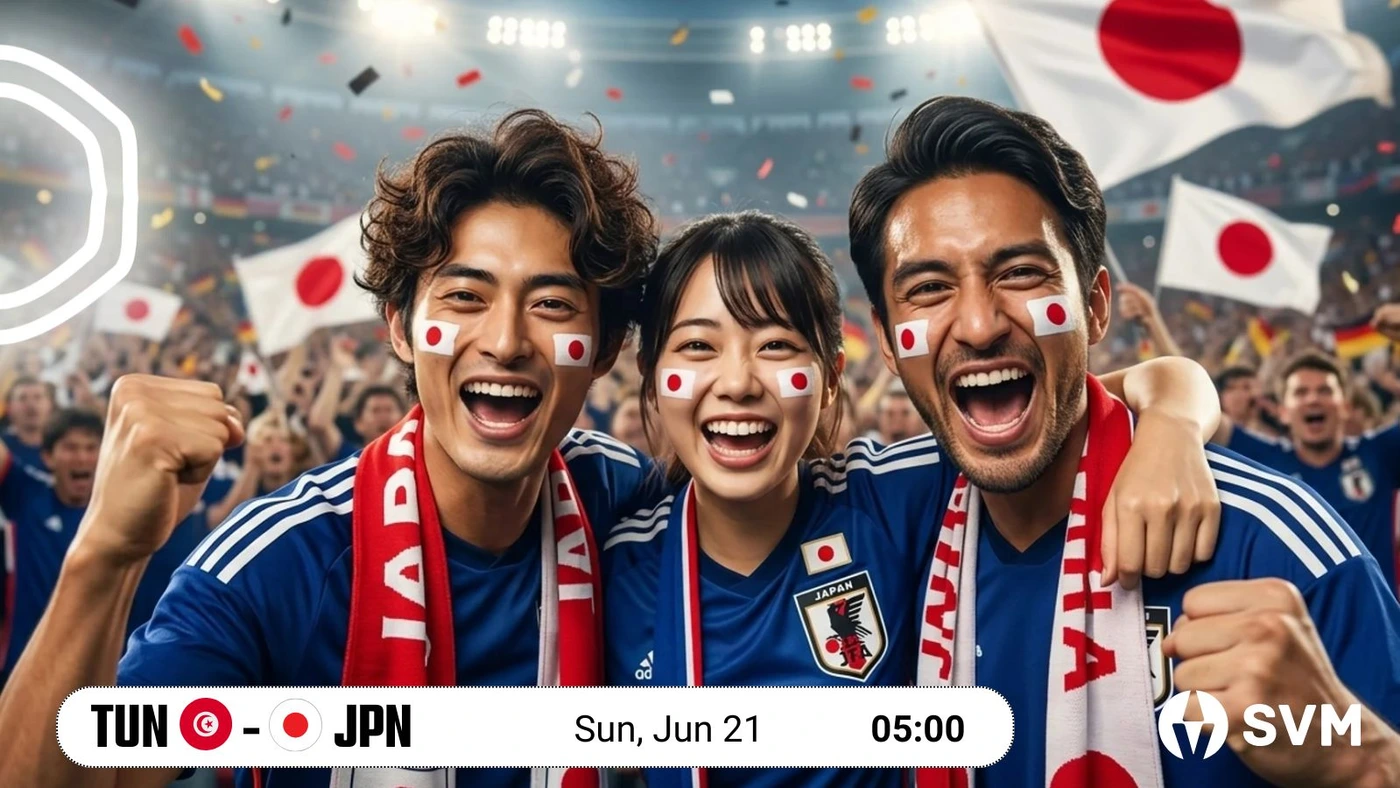
Tunisia vs Japan: World Cup 2026 Group F Analysis
Tunisia changed coaches after a 5-1 defeat, Japan impressed in a 2-2 draw with the Netherlands. Herve Renard’s rescue job against Kubo, Kamada and Mitoma headlines a must-win for the Eagles.
Few teams arrive at a matchday-two game in more contrasting moods than these two. Tunisia were thrashed 5-1 by Sweden in their opener, a result so chastening that it cost Sabri Lamouchi his job, with Herve Renard parachuted in as a rescue appointment just days before this game. Japan, by contrast, produced one of the performances of the opening round, twice fighting back to earn a 2-2 draw with the Netherlands that underlined their quality and resilience.
The stakes are clear and unequal. Tunisia must win to keep any realistic hope of progression alive, but they do so under a brand-new coach with almost no time to implement his ideas, against a side brimming with confidence. Japan know that three points here would put them in a commanding position to advance from Group F. It is a meeting of a rattled team seeking stability and an organised, in-form side looking to press home its advantage.
Manager Tactics
Herve Renard, a coach with significant African pedigree from his successful spells elsewhere on the continent and beyond, faces an almost impossible preparation task. With only days in charge, his immediate priority will be restoring organisation, confidence and defensive solidity to a group shaken by the Sweden defeat. Expect a pragmatic approach: a compact, disciplined shape designed to stop the bleeding, with Tunisia looking to stay in the game, frustrate Japan, and threaten through the experience of their forwards and set pieces. Renard’s man-management and ability to galvanise a squad quickly will be tested to the full.
Hajime Moriyasu’s Japan are a well-drilled, technically excellent side that plays with cohesion and intensity. The draw with the Netherlands showcased their ability to compete with elite opposition through quick passing, pressing and the quality of their attackers. Against a Tunisia side in disarray, Moriyasu will look to take control early, dominate possession, and use the creativity of Takefusa Kubo and the movement of his forwards to break a reorganised defence down. Expect Japan to press high, move the ball quickly, and back their superior cohesion to tell.
Pre-Game Interview Highlights
The Tunisian situation has been dominated by the coaching change. Renard’s appointment is a clear attempt to arrest a crisis, and the messaging from the camp has been about regrouping, restoring belief, and competing with pride under their new manager. With so little time to work, the focus has been on mentality and organisation rather than any sweeping tactical overhaul, and there is an acknowledgement of the scale of the task.
Japan’s framing has been about momentum and ambition. The draw with the Netherlands, secured by goals from Daichi Kamada and Keito Nakamura, lifted belief that this squad can achieve something significant, and Moriyasu has emphasised maintaining their standards and seizing the opportunity to take control of the group. The confidence is high, and the tone is one of a side that knows a win would put its fate in its own hands.
Team Performance Expectations
Tunisia’s expectation, under the circumstances, is to be far more organised and competitive than they were against Sweden, defend with discipline, and stay in the game as long as possible. Their realistic plan is to prioritise defensive structure, frustrate Japan, and look to their experienced players and set pieces for moments of threat. The priority for Renard is a cohesive, spirited performance that restores some stability after a chaotic week.
Japan are expected to dominate the ball and the territory and create the better chances against a reorganised opponent. The questions are about ruthlessness and patience: can they break Tunisia down efficiently and avoid the kind of complacency that can creep in against a side fighting for survival. A high-pressing, possession-led Japan performance, built on quick passing and the creativity of their attackers, is the likely shape, with the onus on them to press home their advantage.
Players to Watch
Tunisia
- Ellyes Skhiri - central midfield. Tunisia’s most important midfielder. Skhiri’s energy, ball-winning and quality on the ball are central to whether Tunisia can compete in midfield and provide a platform under their new coach. In a game where they will spend long spells defending, his discipline and ability to break up play and carry the ball forward are vital to keeping the side organised.
- Hannibal Mejbri - midfielder. The creative spark and emotional driver. Mejbri brings energy, tenacity and creativity, and he is the kind of player who can lift a team in difficult moments. His ability to carry the ball, press and produce a moment of quality makes him important to whatever attacking threat Tunisia can muster against a well-organised Japan side.
- Youssef Msakni - forward. The experienced talisman. A veteran of multiple major tournaments, Msakni offers Tunisia quality, leadership and a goal threat from wide or central areas. His experience and ability to deliver in big moments make him a key figure for a side seeking inspiration, and his set-piece delivery is an additional weapon for a team that may rely on dead balls.
Japan
- Takefusa Kubo - winger/attacking midfielder. Japan’s creative spark from wide areas. Kubo’s dribbling, vision and quality on the ball make him the player most likely to unlock a reorganised Tunisia defence. His ability to drift inside, combine in tight spaces and produce the decisive pass or finish is central to how Japan create, and he is among their most dangerous attackers.
- Daichi Kamada - attacking midfielder. The matchday-one scorer. Kamada found the net against the Netherlands and brings creativity, late runs into the box and quality on the ball. His ability to link play and arrive in goalscoring positions makes him a key threat from midfield, and his form gives Japan an additional source of goals against a side they are expected to dominate.
- Kaoru Mitoma - winger. The dribbling threat on the flank. Mitoma’s pace, close control and ability to beat defenders one-against-one make him one of Japan’s most dangerous attackers, and exactly the kind of player to trouble a reorganised defence. His capacity to stretch the game, get to the byline and create chances is a vital part of Japan’s attacking plan.
The Takeaway
This is a game of contrasting trajectories, and Japan are clear favourites given their form and the chaos surrounding their opponents. Moriyasu’s side have the cohesion, the quality and the confidence to dominate, with Kubo, Kamada and Mitoma the players most likely to break Tunisia down. The questions for Japan are about ruthlessness and avoiding complacency against a side with nothing to lose.
For Tunisia, the game is about response, organisation and the galvanising effect Renard can have in a few short days. Their realistic aim is to defend with discipline, restore some belief, and threaten through Skhiri, Mejbri and Msakni if the chance comes. The story of the night will likely be whether Japan can press home their advantage and take control of the group, and whether a new manager can quickly instil the structure and spirit Tunisia so badly lacked against Sweden.
Autor: John Dawson


Zona de desafios
0 jogos disponíveis