Cathedral of the Game: The Azteca Opens the World Cup to Three Nations and One Heartbeat
Inside the 2026 World Cup opening ceremony at Estadio Azteca: Bocelli and EJAE's "DNA," Shakira and Burna Boy, the flag parade, and a stadium making history.
There are stadiums, and then there is the Azteca.
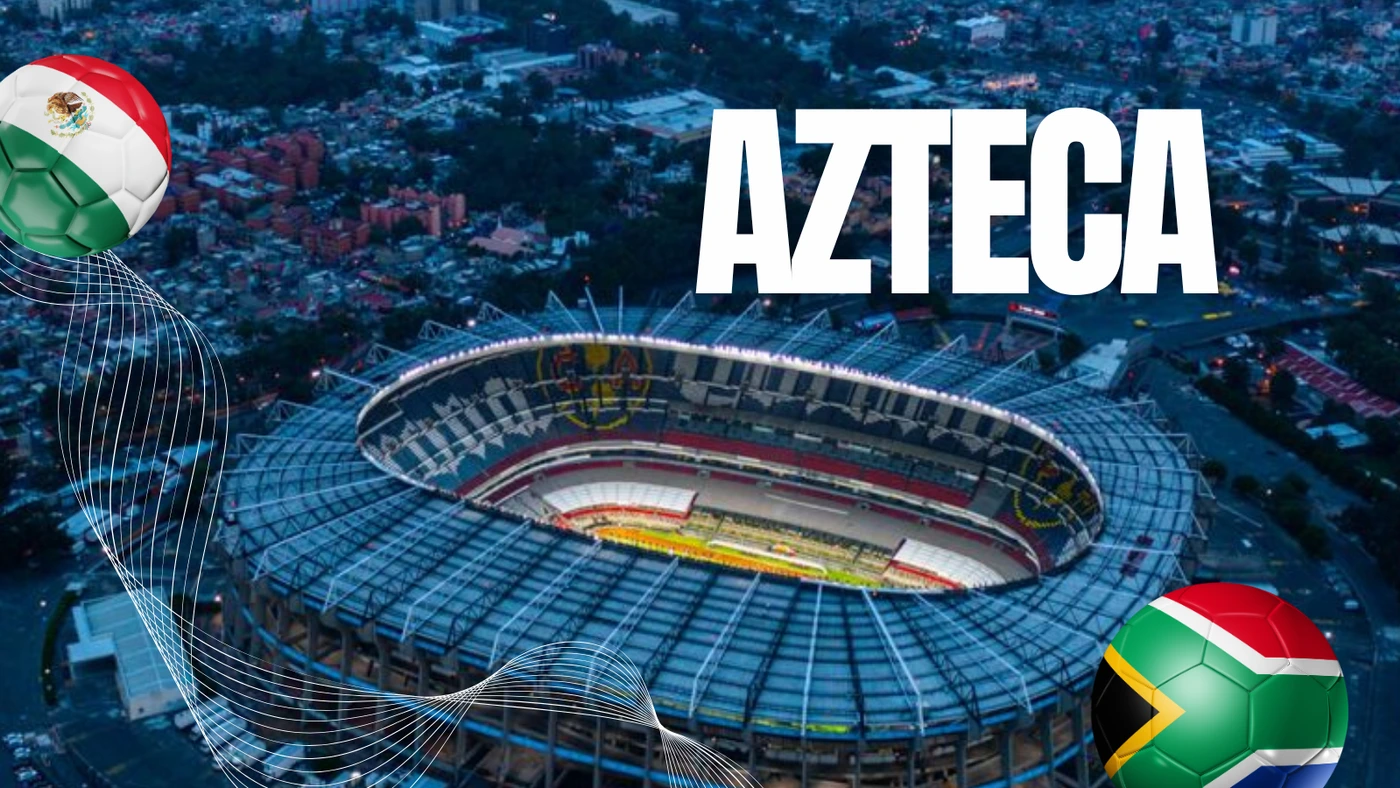
If you have spent any time around this sport, you know the place is not really concrete and steel. It is memory made solid. Pelé lifted the trophy here in 1970. Maradona broke England's heart and bent the laws of physics here in 1986, the Hand of God and the Goal of the Century inside the same forty-five minutes. And on Thursday, under a Mexico City sky thick with anticipation, this grand old ground did something no other venue on earth has ever done. It opened a third World Cup. No stadium in history has hosted the showpiece tournament across three different editions. The Azteca now stands alone. When you are looking for a place to begin the first World Cup ever shared by three host nations, you do not pick a new build with the paint still drying. You go to the cathedral.
And what a service it was.
A welcome dressed in papel picado
The ceremony did not try to out-glitz Las Vegas or out-tech the modern stadium spectacular. It did something braver. It went home. The whole production was draped in papel picado, the delicate cut-paper bunting you see strung across every Mexican plaza on a feast day, and the show opened by honoring the country's indigenous roots, a nod to Aztec culture rising up from the very ground the stadium is named for. That is the right instinct. Before the corporate machine of a modern World Cup swallows everything, Mexico planted its flag and said: this is who we are.
Then the music started, and the place came alive.
Maná, the elder statesmen of Mexican rock, struck the first notes of "Oye Mi Amor," their 1992 anthem, and seventy-odd thousand voices came in on cue. That is the moment a ceremony stops being a television broadcast and becomes an event you can feel in your chest. Danny Ocean brought the contemporary Latin pulse. Los Ángeles Azules rolled out their cumbia with Ballet Folklórico dancers swirling across the turf in a riot of color. Alejandro Fernández carried the ranchera tradition, Belinda and Lila Downs added their voices, and J Balvin reminded everyone that modern Mexican and Latin music sells out arenas on every continent. South Africa's Tyla brought a thread of the visiting nation's sound into the mix, a quiet bit of class from the hosts.
This was not background noise before kickoff. It was a country showing the planet its full cultural range in half an hour.
The flags, and the truth in the noise
Then came the part of any opening ceremony that separates the romantics from the cynics: the parade of flags.
The representatives carried the colors of the competing nations out onto the grass, and the stadium answered each one. This is supposed to be the warm, fuzzy heart of the whole thing, the part where we all hold hands and pretend the world is simple. And for the most part it was genuinely moving, children among the flag-bearers, every nation getting its roar.
But football crowds do not lie, and the Azteca told the truth on Thursday. When Mexico's flag appeared, the noise was volcanic, the kind of sound that makes the hair stand up on your arms. And when the United States flag was raised, a wave of boos rolled down from the stands. You can dress a tournament in the language of unity, and FIFA did, but the people in the seats bring their own history, their own grievances, their own pride into the building with them. A co-hosted World Cup across the USA, Mexico and Canada is a magnificent idea on paper. The Azteca was an early, honest reminder that bringing nations together does not mean smoothing every edge. The football will be played against a real-world backdrop, and pretending otherwise insults everyone's intelligence.
That tension is part of the drama. It always has been.
DNA: opera meets the new world
And then, as the flags waved, came the moment the producers built the whole night around.
Andrea Bocelli, the great Italian tenor, walked out to perform "DNA," the official anthem of the 2026 World Cup, alongside EJAE, the Korean-American voice behind "Golden," the breakout hit from the global phenomenon "KPop Demon Hunters." On the recording they are joined by David Guetta and Megan Thee Stallion, neither in attendance, but the live pairing was the statement. An operatic legend who has sung in every great hall on earth, standing beside a young artist beamed into popularity by the new global pop machine. Old world and new world, sharing a microphone.
Subtle? No. But ceremonies are not meant to be subtle. The whole point of an anthem called "DNA" is the idea that beneath the flags and the boos and the borders, we are running the same code. Bocelli's voice carried the weight of the game's long history. EJAE carried its restless, streaming-era future. For three or four minutes the Azteca stopped being a partisan cauldron and became something close to the postcard FIFA wants to sell. Even the cynics in the press box went quiet for that one.
Shakira and Burna Boy bring it home
You do not let a tenor have the last word at a party in Mexico. To close, Shakira returned to the World Cup stage that made her a fixture of the sport's soundtrack, joined by Nigeria's Burna Boy for "Dai Dai," the new song they have built for this tournament. Shakira at a World Cup is as reliable as a late equalizer, and pairing her with Burna Boy stitched Latin America and Africa together in a single hip-swinging full stop. The crowd, already hoarse, found one more roar.
The real show is only just beginning
Here is the thing about opening ceremonies, though. They are the trailer, never the film.
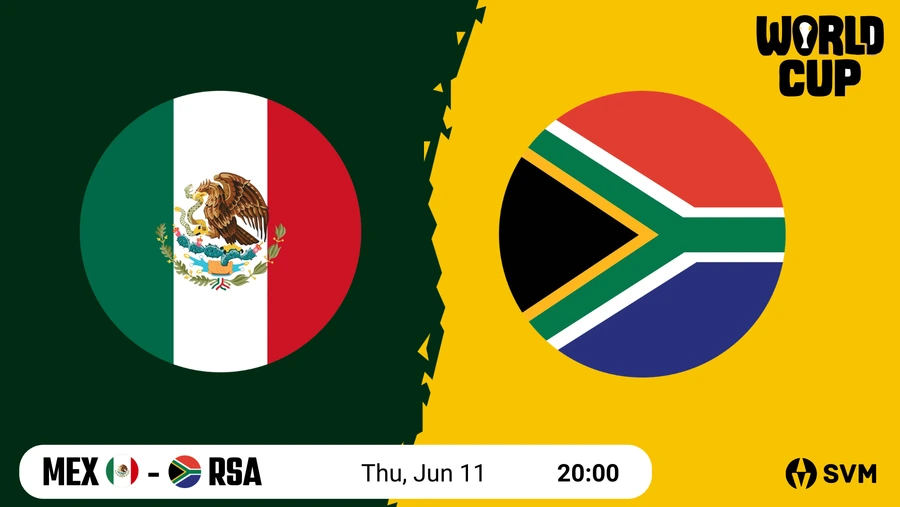
By the time the papel picado settled, the actual reason eighty-thousand people climbed the ramps of the Azteca was waiting in the tunnel: Mexico against South Africa, the first ball of the first match of a tournament that will sprawl across an entire continent. South Africa, back at a World Cup for the first time since they hosted in 2010, have been embraced warmly by their hosts, even serenaded by a mariachi band on arrival. That goodwill lasts precisely until the whistle. This is, after all, the same stadium that has seen Pelé's coronation and Maradona's mischief. It demands a story worthy of its ghosts.
Toronto and Los Angeles will get their own ceremonies in the days to come, the first time a World Cup has spread its opening across three cities in three nations. They will be slick and they will be loud. But they will be chasing the bar the Azteca just set. Because only one stadium on earth could open a World Cup for the third time. Only one could blend Aztec ancestry, Mexican rock, an Italian tenor and a K-pop star, and make it feel like a single beating thing.
The cathedral has opened its doors. Now we play.
Autor: John Dawson
Zona de desafíos
0 juegos disponibles